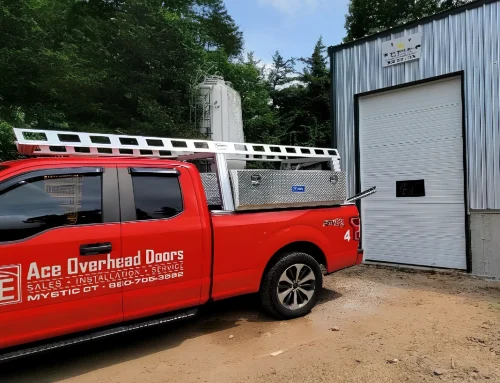
Connecticut homeowners rely on qualified overhead door professionals to install, repair, and maintain essential entry systems. A central part of dependable service is confirming that a company carries proper licensing and insurance. This article explains why those credentials matter, how to verify them in Connecticut, and how to evaluate a contractor — including Ace Overhead Doors — as part of your due diligence. When researching providers, use advanced overhead door CT standards as a benchmark to compare qualifications, documentation, and overall professionalism when reviewing quotes.
Why licensing and insurance matter for overhead door projects
Customer protection: Licensing demonstrates that a company has met state or local requirements to perform work. Insurance, including general liability and workers’ compensation, protects you from potential costs if damage or injury occurs during a project.
Quality and accountability: Licensed contractors are expected to follow industry standards and workmanship guidelines. Insurance ensures there is an avenue for compensation if something goes wrong.
Peace of mind: Knowing that a contractor holds current coverage reduces the risk of unexpected bills or uninsured liability after a service call or installation.
In CT, reputable overhead door providers — including those serving communities around Hartford, New Haven, Stamford, and Bridgeport — emphasise proper licensing and insurance as essential parts of professional practice. Ace Overhead Doors upholds these standards to protect customers and deliver dependable service. When evaluating contractors, using advanced overhead door CT requirements as a benchmark can help ensure you choose a qualified, responsible provider committed to customer protection.
How to verify licensing and insurance in Connecticut
Licensing status: Check the Connecticut Department of Consumer Protection (DCP) or the appropriate state licensing authority for the contractor’s license or registration. Look up the business by name and license number to confirm active status and any restricted scopes of work.
Proof of insurance: Request a current certificate of insurance (COI) that shows:
- General liability coverage with a clear policy limit.
- Workers’ compensation coverage for any employees or subcontractors.
The COI should name you as an additional insured where applicable and include the insurer’s contact information.
Confirm coverage with the insurer: If you want extra assurance, contact the insurance company directly to verify the COI is valid and in force during the project period.
Additional checks: Read customer reviews, check the Better Business Bureau or local business associations, and ask for references from similar overhead door projects.
What to look for when evaluating a contractor for your overhead door needs
- Clear written estimates: Itemized quotes that outline materials, labor, permits (if required), and any potential add-ons.
- Transparent timelines: Start dates, estimated duration, and notification procedures for delays.
- Warranty details: Written warranty terms for parts and labor, including what is covered and for how long.
- Change-order process: A simple, agreed-upon method for handling changes to the scope of work.
- Cleanup and safety: Expectation of site cleanup and safe work practices to protect your home and property.
If you’re researching a CT provider such as Ace Overhead Doors, use these verification steps as a reliable framework. While advanced overhead door CT standards emphasise proper licensing and insurance for customer protection, it’s still important to confirm each contractor’s current registration and certificate of insurance (COI). Taking this extra step helps ensure you’re hiring a responsible, properly insured professional committed to safe and compliant service.
Practical buying tips for CT residents
- Request license numbers and COIs early in the conversation and before any work begins.
- Ask for a written warranty and for specifics about what is covered and what isn’t.
- Get multiple quotes to compare pricing, timelines, and scope.
- Consider local expertise: CT weather can influence hardware choices and maintenance needs; a local provider may offer better guidance on weather-resistant tracks, springs, and openers suitable for your climate.
Licensing and insurance are not optional extras; they are fundamental protections for homeowners. The advanced overhead door CT standard aligns with best practices that safeguard projects from start to finish. For residents in Connecticut evaluating overhead door services, prioritise licensed and insured contractors such as Ace Overhead Doors, request certificates of insurance, and review warranties and timelines carefully.
If you’re in the CT area and planning a door installation, repair, or service, contact Ace Overhead Doors today to discuss your needs and obtain a compliant, written estimate. Remember, verification and due diligence now can help prevent costly surprises later.
Explore our our services and garage door brands. Local to you? See garage door service in Old Lyme, CT. Related reading: How to Choose the Best Residential Garage Door Installers Near Me and Steps Homeowners Can Take to Choose a Reliable Garage Door Installer in Groton, CT.