Choosing the right garage door involves balancing climate, style, budget, and maintenance expectations. This is especially true in Connecticut, where winters can be harsh, and summers vary across the state. This guide outlines the main garage door types and how they fit different property needs, with practical tips tailored for Connecticut homeowners. This is especially important for garage doors in Connecticut, where insulation, wind resistance, and durability directly impact comfort and costs.
Key Door Types for Connecticut Properties
Sectional steel doors
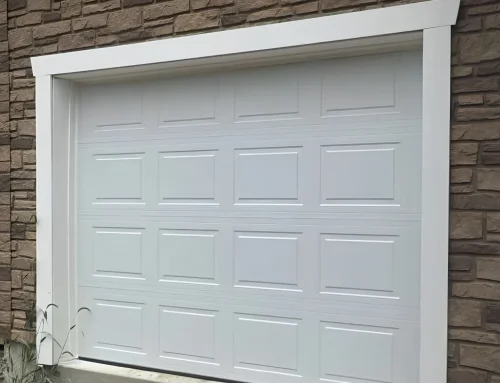
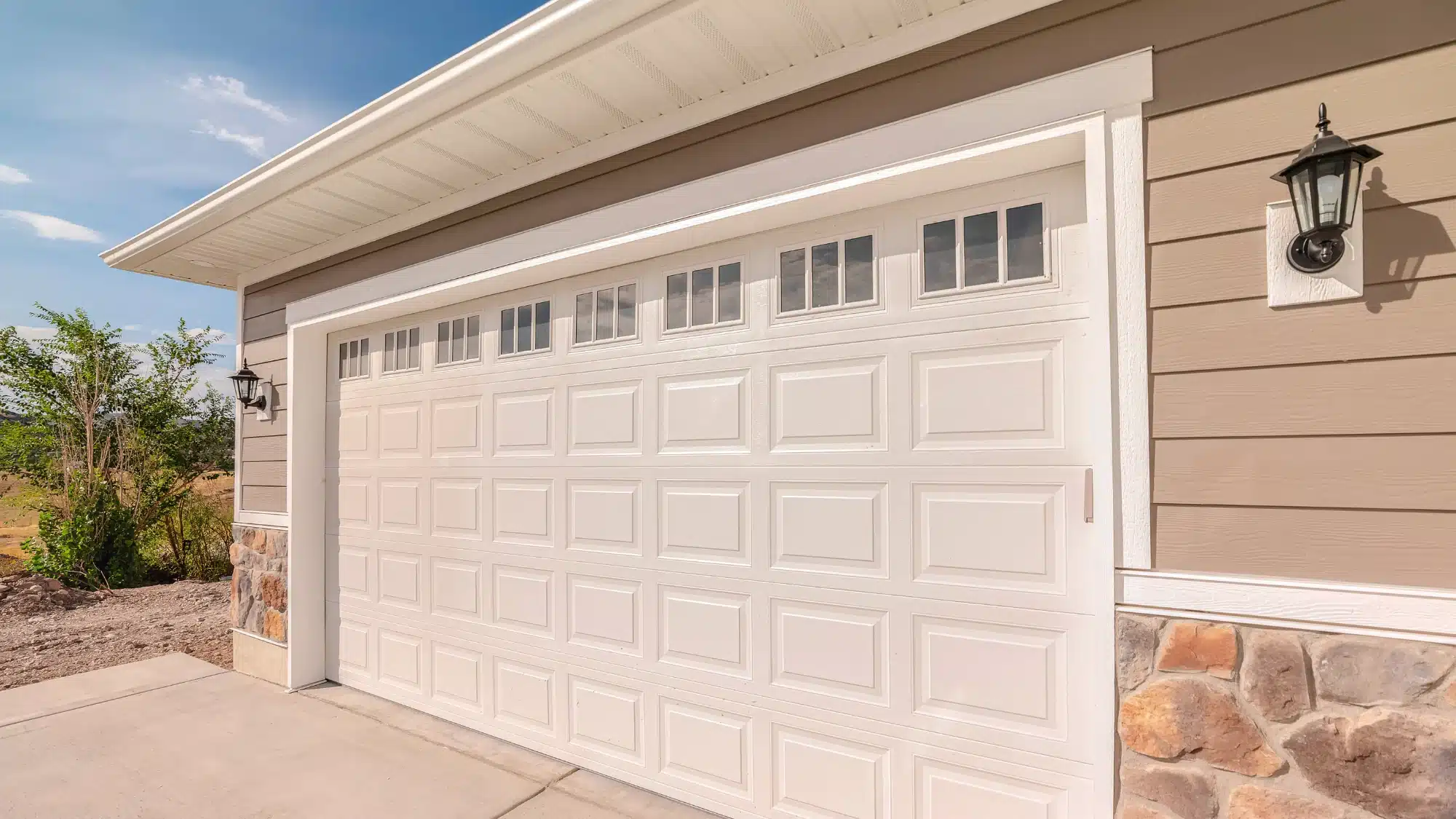
Sectional steel doors are the most popular choice for modern homes and many business properties. They consist of horizontal panels that roll up and overhead along tracks. They’re durable, secure, and relatively affordable. Insulated versions help reduce heat transfer, which is valuable in Connecticut’s seasonal climate.
Insulated vs. non-insulated doors
Insulation matters in Connecticut. Insulated doors use foam cores (often polyurethane or polystyrene) to improve energy efficiency and reduce noise. For garages attached to living spaces or rooms above the garage, insulation can lower utility bills and improve comfort. Non-insulated doors are lighter and cheaper upfront, but less suitable for extreme weather or climate-controlled interiors.
Wood and composite carriage-house doors
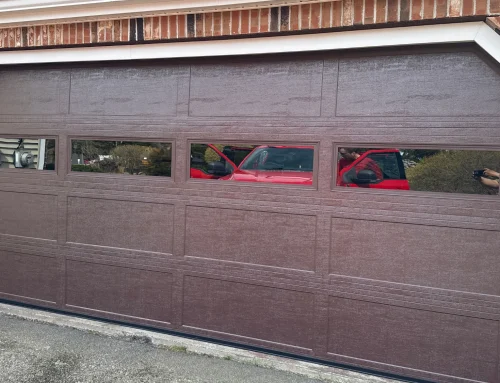
For traditional or historic properties, carriage-house style doors (often made from wood or engineered composites) offer authentic curb appeal. While they require regular maintenance to prevent warping and weathering, they can dramatically enhance a home’s exterior character in Connecticut towns with classic architecture.
Aluminum and glass doors
Aluminum doors with glass panels provide a contemporary look and good corrosion resistance, especially in coastal or humid areas. They’re typically lighter and may incorporate modern insulation packages, but performance varies by product line. They suit newer homes or buildings where a sleek, low-maintenance aesthetic is desired.
Roll-up or high-lift doors for tight spaces
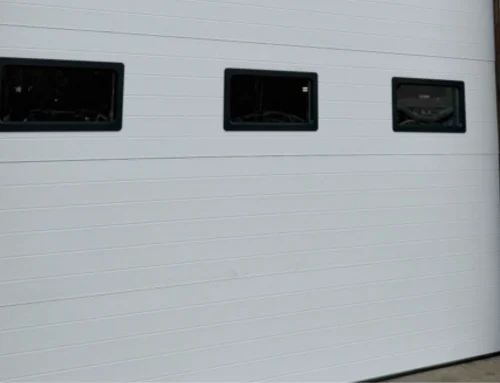
Roll-up doors are practical for garages with limited headroom or tight spaces, including some commercial or multi-tenant setups. They maximize storage height and can be paired with weather seals and insulation suitable for Connecticut weather.
Connecticut-Specific Considerations
Weather and climate drive decision-making in Connecticut. Key factors include:
- Insulation and energy efficiency: A well-insulated door helps reduce heating costs during long winters.
- Wind and snow loading: Some areas require doors rated for high wind loads or snow loading; consult local codes and product ratings to ensure compliance and safety.
- Durability and maintenance: Harsh winters, road salt, and seasonal temperature swings influence material choice and maintenance schedules.
- Curb appeal and property value: Connecticut’s varied architectural styles reward doors that complement the home’s exterior while providing dependable performance.
Buying Tips and Quality Indicators
- Look for insulated construction: Doors with a polyurethane core or equivalent insulation typically offer better energy performance and noise reduction.
- Check the door skin and hardware: Thicker, corrosion-resistant skins and durable hardware improve longevity, especially in salt-prone coastal areas.
- Prioritize quality warranties: A strong manufacturer and installation warranty reflects product confidence and service support.
- Assess safety features: Auto-reverse sensors, secure locking options, and robust tracks reduce risk and improve reliability.
- Obtain a professional site assessment: A local installer can measure your opening, evaluate insulation needs, and confirm wind-load requirements for Connecticut locations.
- Consider regional style consistency: Choose a door that aligns with your home’s architectural era and neighborhood aesthetics to maximize curb appeal.
Next Steps for Connecticut Buyers
When planning a garage door project in Connecticut, start with a clear sense of your budget, insulation needs, and architectural style. Request on-site measurements, get multiple quotes, and review product data on insulation, wind ratings, and warranties. A local, reputable installer can help you navigate CT-specific codes and ensure a door that performs reliably through our winters and variable summers. For readers exploring options in Connecticut, contact a trusted local expert to discuss the best fit for your property.
If you’re evaluating options for garage doors in Connecticut, partnering with a knowledgeable local installer is essential. Ace Overhead Doors can help you assess your needs, compare door types, and plan an installation that meets CT climate and code considerations. Reach out to discuss your Connecticut project, receive a professional assessment, and get a quote tailored to your property needs.
Explore our residential garage doors and garage door brands. Local to you? See garage door service in Preston, CT. Related reading: The Best Garage Door Installation Companies in Voluntown CT for Reliable Service and Quality Results and The Best Ways to Find Professional Garage Door Repair Services in Rhode Island Today.